Top recycling points by Wimbledon Chase shops, Raynes Park
If you live, work, or shop around Wimbledon Chase and Raynes Park, recycling is one of those jobs that feels simple until you actually stand there with a bag full of mixed waste and nowhere obvious to put it. Glass bottles, cardboard, packaging, old electronics, a broken chair, garden cuttings after a tidy-up on a Sunday morning - they all seem to belong in different places. That is where the best recycling points by Wimbledon Chase shops, Raynes Park become genuinely useful.
This guide looks at how local recycling points, shop-side collection spots, and nearby reuse or disposal options fit into everyday life. You will get a practical sense of what can go where, how to avoid the common mistakes, and when a small recycling drop-off is the right answer versus when a broader clearance service is the better move. If you are clearing space at home, sorting an office, or just trying to do the right thing without making three wasted trips, you are in the right place.
For related help with larger jobs, you may also find our pages on recycling and sustainability, waste removal, and furniture disposal useful.
Table of Contents
- Why recycling points near Wimbledon Chase shops matter
- How local recycling points work in practice
- Key benefits and practical advantages
- Who this is for and when it makes sense
- Step-by-step guidance
- Expert tips for better results
- Common mistakes to avoid
- Tools, resources and recommendations
- Law, compliance, standards, or best practice
- Options, methods, or comparison table
- Case study or real-world example
- Practical checklist
- Conclusion
- Frequently asked questions
Why Top recycling points by Wimbledon Chase shops, Raynes Park Matters
Local recycling points matter because they make the right choice easier. Simple as that. If the nearest option is clear, convenient, and suited to the material you have, you are far more likely to recycle properly instead of letting items sit in the hallway "for later." And we all know what later becomes.
In busy parts of Raynes Park, especially around shopping parades and mixed residential streets, the challenge is not usually a lack of willingness. It is confusion. One shop may accept batteries or small electrical items, another may provide cardboard recycling, while larger household waste needs a different route entirely. The best recycling setup is the one that removes friction and saves time.
There is also a wider benefit. Well-used recycling points reduce contamination, support reuse, and help keep valuable materials in circulation. That matters whether you are a resident clearing out a cupboard or a business trying to keep back-of-house waste tidy. A good system feels invisible when it is working well. You just drop, sort, and move on.
For businesses and landlords in particular, local recycling habits can prevent larger storage issues from building up. If you are regularly handling packaging, broken fixtures, or office waste, a planned approach is usually better than ad hoc trips. Our business waste removal and office clearance services can support that kind of routine.
Expert takeaway: the best recycling point is not the one that sounds most eco-friendly - it is the one that is local, easy to use correctly, and suited to the exact material you need to dispose of.
How Top recycling points by Wimbledon Chase shops, Raynes Park Works
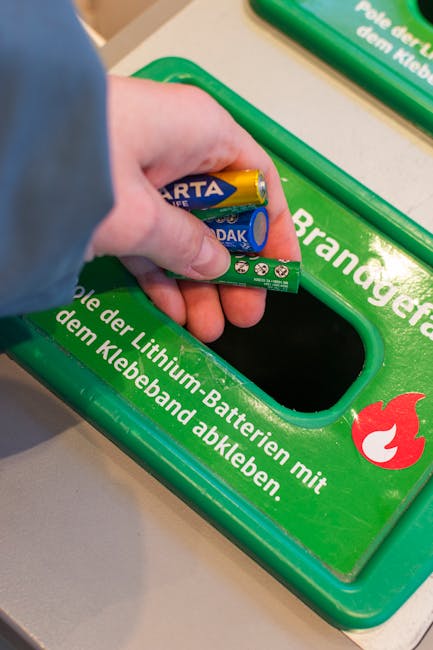
Most local recycling points work on a simple principle: they are designed for specific streams of waste, not general dumping. A shop may host a collection box or nearby drop-off for small items such as batteries, cartridges, light bulbs, soft plastics, or small electronics. Other locations may accept paper, cardboard, tins, and bottles through communal facilities or nearby council-linked points.
The main thing to understand is that "recycling point" is a broad phrase. It can mean:
- a shop-front take-back point for small items
- a local retailer accepting packaging or specific household materials
- a neighbourhood recycling bank or container bank
- a reuse and donation option for items that are still usable
- a transfer route for bulky items that need collection instead of drop-off
That variety is useful, but it also explains the confusion. A shop that accepts batteries probably will not take a smashed wardrobe. A place that accepts cardboard may not want greasy pizza boxes. Truth be told, the line between "recyclable" and "accepted here" is where most mistakes happen.
In practice, the process usually goes like this: check what the point accepts, prepare the item properly, keep non-accepted materials out, and follow any opening-hour or access instructions. If the item is large, mixed, contaminated, or heavy, you may be better off arranging a clearance service rather than trying to force it into a local point. For bulkier household jobs, our house clearance and home clearance pages explain the broader options.
One practical note: shop-based recycling points are often best for compact, clean, single-material items. If you are carrying a soggy box of mixed packaging in the rain at 8:30 on a weekday, you will quickly see why sorting at home saves hassle. Small effort upfront, much less faff later.
Key Benefits and Practical Advantages
Using recycling points near Wimbledon Chase shops has several real-world advantages, especially if you value convenience. The first is obvious: less travel. If the option is nearby, you are more likely to use it regularly. But there are a few deeper benefits too.
- Better sorting habits: nearby recycling encourages you to separate items before they become a clutter pile.
- Fewer mixed-waste mistakes: specialist points reduce the chance of contaminating general recycling.
- Quicker disposal: small items can often be dropped off as part of an everyday errand.
- Less household build-up: batteries, cables, packaging, and small appliances do not sit around for weeks.
- Support for reuse and repair: some items are better donated or passed on than broken down immediately.
There is a nice side effect too: once you know where the local routes are, clearing out becomes calmer. You stop asking, "Where on earth does this go?" every time you find an old charger in a drawer. That tiny bit of clarity makes a real difference.
For larger items, the advantage shifts from convenience to efficiency. Instead of making several trips with a car full of awkward things, a structured service can handle removal in one go. Our furniture clearance and garage clearance services are useful examples of that approach.
Who This Is For and When It Makes Sense
This topic matters to a wide range of people, but a few groups benefit especially.
Residents in flats, terraces, and smaller homes
If storage is tight, recycling points are a sensible way to keep the home tidy. A small flat near Raynes Park can fill up quickly with packaging, broken household bits, and old electronics. In that setting, a local drop-off option helps prevent the classic "temporary pile" from taking over the corner of a room.
Shops, cafes, and small offices
Businesses often generate more packaging and consumables than they first expect. Cardboard, delivery wrap, printer cartridges, and small broken fixtures all add up. A neat recycling process is good for the premises and good for morale too. Nobody enjoys stepping over two weeks' worth of flattened boxes. Nobody.
People doing a clear-out
If you are decluttering before a move, tackling a loft, or sorting a garage, recycling points can handle the easy-to-separate items. But once you start finding mixed waste, old shelves, or damaged furniture, a clearance service usually makes more sense. That is where our loft clearance and flat clearance options may be more suitable.
Anyone trying to waste less
Even if you are not doing a major clear-out, knowing the top recycling points by Wimbledon Chase shops, Raynes Park helps build a better routine. You learn what is accepted, what needs special handling, and what can be reused rather than discarded.
Step-by-Step Guidance
Here is a simple way to handle recycling without overthinking it.
- Identify the item type. Is it paper, cardboard, glass, metal, battery, electrical, textile, plastic, or bulky waste?
- Check whether it is clean and dry. Food residue, liquid, and contamination can make otherwise recyclable items unsuitable.
- Confirm the local acceptance rule. A shop point may accept only certain categories, so do not assume a container will take everything.
- Separate mixed materials. Remove obvious non-recyclable parts where practical. For example, separate batteries from devices if safe to do so.
- Pack items safely. Keep sharp bits wrapped, glass secure, and small electronics tidy.
- Choose the right route. Use a recycling point for small, accepted items; use a collection or clearance service for larger, mixed, or bulky loads.
- Drop off responsibly. Follow signage, opening hours, and any on-site instructions. Leave the area tidy.
A small real-world example: a family clearing out a kitchen drawer might end up with old cables, two dead batteries, a charger, some broken plastic bits, and a jar lid. That is not one waste stream. It is several. Sorting those items properly before leaving the house takes only a few minutes, but it saves a lot of backtracking.
If you have a larger pile than expected, do not force a solution that is too small for the job. Our waste removal service is there for exactly that sort of overflow.
Expert Tips for Better Results
After seeing how people usually tackle recycling, a few patterns stand out.
- Keep a small "to recycle" box at home. It is much easier to collect batteries, cables, and cartridges in one place than to hunt for them later.
- Sort by material before you travel. If a point only accepts one or two types of waste, mixed bags slow you down.
- Check opening times before setting off. Sounds obvious, but people still arrive with a boot full of recyclables just after closing. Annoying, that.
- Watch for contamination. One greasy container can spoil a load of otherwise decent recycling.
- Use reuse first where possible. A working chair, table, or shelf may be better donated, sold, or passed on than broken down for disposal.
- Keep seasonal clear-outs in mind. After Christmas, during spring cleaning, or after a garden refresh, waste volumes tend to spike.
One useful habit is to separate "must recycle," "can donate," and "needs collection" into three different piles. It sounds almost too simple, but it stops the muddle before it starts. And frankly, it works.
If you are dealing with furniture that still has life in it, the path is often smoother when you combine reuse thinking with the right disposal route. Our furniture disposal page can help if you need a practical next step.
Common Mistakes to Avoid
The most common mistake is assuming every recycling point accepts the same items. It does not. A location that takes small electricals may reject bulky appliances, and a container for cardboard may not accept coated or food-soiled packaging. The result is wasted effort and, sometimes, contamination of the whole bin.
Another common slip is mixing recyclable and non-recyclable materials in one bag. If you are unsure, separate first and ask later. It is far easier to sort a few items at home than to untangle a mixed bag at the point of drop-off.
People also underestimate how quickly bulky waste becomes a problem. One old shelving unit, a broken garden chair, and three bags of odds and ends can fill a car boot before you even realise it. If that sounds familiar, you are not alone. This is where a broader service, such as house clearance or garden clearance, can save time and stress.
And yes, there is also the "I'll deal with it next week" problem. We have all done it. Next week turns into next month, and the bag of batteries is still by the door. A tiny system beats good intentions every time.
Tools, Resources and Recommendations
You do not need much to recycle well, but a few simple tools make the process smoother.
- Reusable storage box or crate: ideal for collecting small recyclables at home or in the office.
- Labels or marker pens: useful if you are separating batteries, cables, cardboard, and general waste.
- Bin liners or sturdy bags: helpful for keeping small items contained on the way to a recycling point.
- Online service pages: check local service details before loading the car.
- Reusable bags and containers: better for shopping and for reducing future packaging waste.
For larger jobs or repeat waste streams, the most useful resource is a service that handles the problem end to end. Our office clearance page is especially relevant if your waste comes from desks, storage areas, or workplace refurbishments, while builders waste clearance is a better fit for renovation debris.
You may also want to review the company's pricing and quotes information if you are comparing options. Clear pricing matters. It just does.
Law, Compliance, Standards, or Best Practice
For most people, recycling is about responsible everyday behaviour rather than legal complexity. Still, there are some good practice points worth keeping in mind. In the UK, waste should be handled carefully, sorted sensibly, and passed to appropriate services or facilities. If you are disposing of business waste, electrical items, or anything that may contain hazardous components, extra care is sensible.
Best practice usually means:
- using accepted collection points only for the materials they list
- keeping waste streams separated where possible
- avoiding contamination with food, liquids, or mixed materials
- choosing suitable services for bulky, awkward, or heavy loads
- making sure any waste handler you use operates safely and transparently
If you are arranging a larger clearance, it is sensible to consider insurance, safety, and operational standards too. Our insurance and safety and health and safety policy pages give you a better sense of the safeguards behind a professional service.
For businesses, compliance matters a little more. Waste duty of care, documentation, and responsible disposal practices are all part of the picture. You do not need to become an expert overnight, but you should work with a provider that treats these matters seriously. That is the sensible route, honestly.
Options, Methods, or Comparison Table
Not every recycling problem needs the same solution. The best method depends on what you have, how much of it there is, and how urgently it needs to go.
| Option | Best for | Strengths | Limitations |
|---|---|---|---|
| Shop-side recycling point | Small, accepted items like batteries, cartridges, or light electricals | Convenient, local, low effort | Limited item types, often size-restricted |
| Neighbourhood recycling bank | Cardboard, glass, cans, paper, and similar streams | Good for routine recycling, simple drop-off | Can be crowded or unsuitable for contaminated items |
| Reuse or donation route | Usable furniture, household goods, and working items | Extends item life, reduces waste | Not suitable for damaged or unsafe items |
| Collection or clearance service | Bulky, mixed, heavy, or high-volume waste | Fast, practical, handles awkward loads | Less immediate than a nearby drop-off point |
In a lot of real situations, the answer is not one option. It is two. For example, you might drop batteries and old cables at a local point, donate a usable chair, and book a clearance for the broken wardrobe. That mixed approach is often the smartest, and maybe the least stressful too.
Case Study or Real-World Example
Imagine a couple in a first-floor flat near Wimbledon Chase shops doing a long-overdue tidy-up on a Saturday afternoon. They have a few cardboard boxes from deliveries, two dead batteries, an old lamp, a broken bedside table, and a bag of mixed oddments from the cupboard under the sink. The flat feels cluttered, and the hallway is starting to look like a temporary depot. Not ideal.
They start with the easy wins. The cardboard is flattened and kept dry. The batteries go into a separate container. The lamp is checked to see whether it can be repaired or reused. The bedside table turns out to be too damaged to donate, and the mixed oddments are not worth splitting further. That is where they decide a clearance route makes more sense than trying to squeeze everything into a recycling point.
They use a local drop-off option for the accepted small items, then arrange a broader collection for the bulky waste. The result? The flat is clear by evening, the waste is split properly, and there is no pile waiting by the front door on Monday morning. A small victory, but a satisfying one. You can almost feel the room breathing again.
This is the kind of scenario where our flat clearance service can save a lot of time, especially when stairs, parking, or access make DIY disposal a headache.
Practical Checklist
Use this quick checklist before you head out to a recycling point or book a larger clearance.
- Have I identified the exact material or item type?
- Is it clean, dry, and accepted at the point I plan to use?
- Can any part of it be reused, donated, or repaired?
- Have I separated batteries, electronics, glass, and sharp items safely?
- Do I know the opening hours and access instructions?
- Is the load small enough for drop-off, or do I need collection?
- Have I checked whether the waste contains mixed materials or contamination?
- Do I need help with bulky items, office waste, or clearance from a property?
Useful rule of thumb: if the item is awkward to carry, hard to sort, or too mixed to identify quickly, it is often better to pause and choose a more suitable disposal route.
Conclusion
The top recycling points by Wimbledon Chase shops, Raynes Park are most valuable when they make everyday recycling easy, local, and appropriate for the item in hand. The goal is not to recycle everything through one route. The goal is to match each item to the right path, whether that is a shop-side collection, a recycling bank, reuse, or a proper clearance service.
Once you build that habit, the whole process becomes lighter. Less clutter. Less second-guessing. Less "where does this go?" at the worst possible moment. And that, frankly, is what good local recycling support should do - make the right choice the easy one.
If you are clearing a home, office, garage, or storage space and want a practical next step, our team can help you find the most efficient route. Get a free quote today and see how much you can save.
For more background on how we approach responsible disposal, visit our about us page or get in touch through our contact us page. A little planning now can make the whole week feel easier.
Frequently Asked Questions
What can I usually take to recycling points near Wimbledon Chase shops?
That depends on the specific point, but common accepted items may include cardboard, paper, bottles, cans, batteries, small electricals, and some packaging. Always check the local instructions before you go. A recycling point is only useful if it matches the material you actually have.
Are shop recycling points the same as council recycling facilities?
No, they are often different. Shop points usually focus on smaller, specific items such as batteries or cartridges, while council facilities may accept broader household recycling. The acceptance rules are not interchangeable, so it is worth checking each one separately.
Can I recycle broken furniture at a local shop recycling point?
Usually not. Broken furniture is normally too large and too mixed for a shop-side point. In that case, a furniture collection, reuse route, or clearance service is more suitable. If the piece is still usable, donation may be the better first option.
What if my waste is mixed and I do not know where each part goes?
Split what you can into obvious categories like batteries, cardboard, and reusable items. If the remainder is still mixed or bulky, it is often better to arrange a clearance rather than guess. Guessing is how contamination starts, and nobody wants that hassle.
Is it better to reuse items before recycling them?
Yes, whenever possible. Reuse usually keeps an item in circulation for longer and avoids the energy involved in processing waste. If something can be repaired, donated, or passed on safely, that is often the best outcome.
How do I know whether an item is recyclable or just accepted locally?
Those are not always the same thing. An item may be recyclable in principle but not accepted at a particular point. Check local guidance carefully. The key question is not just "can it be recycled?" but "can it be recycled here?"
Do I need a professional clearance service for a small amount of waste?
Not always. If you only have a few small items, a local recycling point may be enough. But if you have bulky, heavy, or mixed waste, a clearance service can save time and reduce the risk of making several trips.
What is the best way to prepare recyclables before dropping them off?
Keep them clean, dry, and separated by type where possible. Remove obvious contamination such as leftover food or liquid. For sharp or broken items, wrap them safely. A few minutes of prep makes the whole process smoother.
Can businesses use the same recycling points as residents?
Sometimes, but not always. Businesses often generate different waste streams and may need a more structured collection route. If your premises produce regular packaging, office waste, or bulky items, a business-focused waste solution is usually a better fit.
What should I do with old office equipment or electronics?
Small electronics may be suitable for specific recycling points, but larger office equipment often needs a separate route. Depending on condition and quantity, an office clearance or business waste removal service may be more practical. It saves time and keeps the workspace tidy.
How can I reduce the amount of waste I need to recycle?
Start by reusing containers, choosing durable products, and buying items with less packaging where possible. Also try to keep a small collection box for batteries, cables, and other recurring waste. Small habits make a big difference over time, honestly.
Where can I get help with large or awkward waste in Raynes Park?
If the waste is too bulky for recycling points, or if you need a full property clear-out, you can look at services such as home clearance, garage clearance, or builders waste clearance. Choosing the right route upfront usually saves time and stress later.