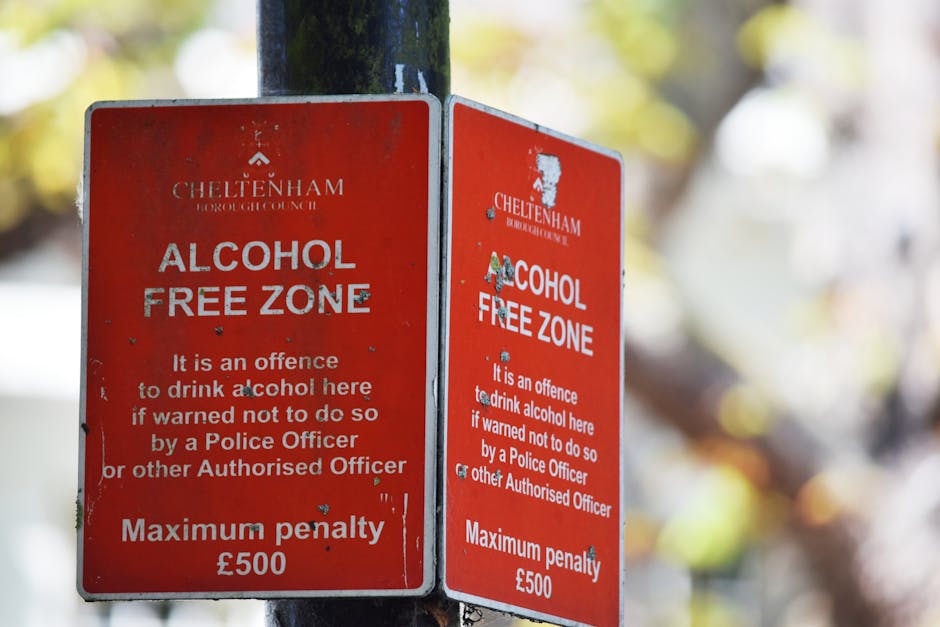
Merton Council rules on verge and pavement rubbish (SW20): what residents need to know
If you live in SW20 and you've ever wondered whether that bag of hedge cuttings, broken chair, or box of renovation debris can sit on the verge or pavement "just for a bit", you're not alone. The short answer is that Merton Council rules on verge and pavement rubbish (SW20) are there to keep streets safe, tidy, and accessible, and they can be stricter than people expect. One neighbour's tidy pile can quickly become another's obstruction, and to be fair, the pavement is not a spare storage area.
This guide breaks the topic down in plain English. You'll learn how verge and pavement waste is usually treated, why it matters, how to stay on the right side of local expectations, and what practical steps make disposal much easier. If you're dealing with a one-off clear-out, a garden overhaul, or bulky items that are awkward to move, you'll also find useful ways to plan ahead without turning the front of your house into a temporary dump.
Table of Contents
- Why Merton Council rules on verge and pavement rubbish (SW20) Matters
- How Merton Council rules on verge and pavement rubbish (SW20) Works
- Key Benefits and Practical Advantages
- Who This Is For and When It Makes Sense
- Step-by-Step Guidance
- Expert Tips for Better Results
- Common Mistakes to Avoid
- Tools, Resources and Recommendations
- Law, Compliance, Standards, or Best Practice
- Options, Methods, or Comparison Table
- Case Study or Real-World Example
- Practical Checklist
- Conclusion
- Frequently Asked Questions
Why Merton Council rules on verge and pavement rubbish (SW20) Matters
At street level, rubbish left on a verge or pavement can look harmless. A bag here, a lamp there, maybe a couple of old paving slabs by the front wall. But in real life, it creates a chain reaction. Pedestrians have to step into the road, pushchairs become hard to manoeuvre, people with mobility aids are put at risk, and the area starts to look neglected very quickly.
There's also the issue of responsibility. If waste is left out in the wrong place, it can attract complaints, spoil the street scene, and potentially be treated as an obstruction or improper disposal. Even when the intent is good, "I was only waiting for collection" is not a magic excuse if the items are causing problems or have been left carelessly.
In SW20, where streets can be busy with residents, tradespeople, school runs, and parked cars, timing and placement matter more than people think. A small error at 8am can become a bigger issue by lunchtime. That's why understanding local expectations before you put anything outside is worth the effort.
Practical takeaway: If waste is on or near a pavement, assume it needs to be handled carefully, kept out of the way, and removed promptly. If you're unsure, treat the pavement as a shared public space first, not a convenient holding bay.
How Merton Council rules on verge and pavement rubbish (SW20) Works
The basic principle is simple: waste should not be left where it blocks, endangers, or inconveniences the public. In practice, that means the verge, pavement, and roadside edge are not places to casually store household rubbish, garden waste, building debris, or bulky items unless there is a clear, legitimate arrangement in place.
For many residents, the most common confusion is the difference between "outside my property" and "allowed to leave it there". Those are not the same thing. A front boundary may feel like part of your home space, but once items sit on the pavement or public verge, you are in a shared environment where different rules apply.
Here's how it usually plays out in everyday terms:
- Small, contained waste still needs to be secure and not spilling onto the path.
- Bulky waste should not be left out if it creates an obstruction.
- Garden waste such as hedge trimmings, soil, turf, and branches needs careful handling because it spreads easily.
- DIY and builders' waste is especially problematic because it can be heavy, sharp, dusty, and hazardous.
- Fly-tipping risks rise when waste is left unattended, even for a short time.
There is also a practical side. If a bag splits in the rain, or a pile gets knocked over by wind or passers-by, the mess becomes your problem. And if the waste was not yours alone, sorting it out can become messy in a different way. Who enjoys that on a wet Tuesday? Exactly.
In day-to-day use, the safest approach is to keep waste on private property until it is ready to be removed in one go. If you need help clearing the items efficiently, a dedicated service such as waste removal can be more predictable than leaving things outside and hoping for the best.
Key Benefits and Practical Advantages
Following the right approach is not just about avoiding a problem letter or complaint. It brings some very real benefits that save time, effort, and a fair amount of stress.
- Cleaner streets and frontages: Your property looks more organised, and the neighbourhood stays pleasant.
- Less risk of obstruction: People can walk safely, especially those with prams, sticks, or mobility aids.
- Fewer handling issues: Waste is less likely to get wet, split, or scatter.
- Lower fly-tipping exposure: Unattended piles are less tempting to opportunistic dumpers.
- Faster clearance: A planned pickup is usually easier than piecing together multiple small disposals.
- Better recycling outcomes: Sorted waste is more likely to be handled properly.
There's also a quieter benefit that people often overlook: peace of mind. Once the waste is gone, the whole property feels lighter. You notice it in the sightlines, the smell, even the way the front step looks after a clean sweep. That's not fluff. Anyone who has cleared a cluttered hall or garden knows the feeling.
If your clear-out includes old furniture, it may make sense to arrange it through a dedicated furniture clearance or furniture disposal option rather than leaving heavy items near the kerb.
Who This Is For and When It Makes Sense
This topic matters to far more people than just homeowners doing a weekend tidy-up. In SW20, verge and pavement rubbish questions come up in all sorts of ordinary situations.
- Homeowners clearing lofts, garages, sheds, spare rooms, or front gardens.
- Landlords and letting agents dealing with leave-behind items after a tenancy.
- Flat residents with limited storage and awkward access.
- Garden owners trimming hedges, cutting back branches, or replacing turf.
- Tradespeople generating packaging, rubble, timber, or offcuts after small works.
- Small businesses needing a tidy exterior and compliant waste handling.
It also makes sense when you're dealing with a collection that is too awkward for bin day. A broken sofa, a few bags of mixed waste, or leftover construction debris can quickly exceed what feels manageable. If the items are large, mixed, or a bit unsightly, keeping them on the pavement is usually the least elegant option and often the riskiest one too.
For bigger clearances, it may be easier to plan one efficient removal instead of setting items out over several days. Services like home clearance, house clearance, or flat clearance can be more suitable when you're trying to restore order quickly.
Step-by-Step Guidance
If you want a simple way to handle rubbish without drifting into avoidable trouble, follow this process.
- Identify the waste type. Household rubbish, garden cuttings, furniture, office waste, and builders' waste all behave differently. Mixed waste is the hardest to manage because it needs sorting.
- Work out where it can stay safely. Private land is usually the better holding point. The pavement and verge should be the last place you rely on, not the first.
- Separate anything sharp, wet, heavy, or dusty. Broken glass, splintered wood, old plaster, and loose soil need extra care.
- Bag or bundle items properly. Keep them stable and reduce the chance of scattering. A tidy pile is still not automatically acceptable, but it is easier to handle.
- Check access and timing. If a collection is planned, make sure it does not block foot traffic or sit out for long periods.
- Use the right service for the volume. A few bin bags are one thing. A garage full of mixed clutter is another. Don't underestimate it.
- Clear the area after removal. Sweep up loose debris, especially if the waste was dusty or had been sitting on uneven ground.
One practical note: if the waste is from a garden project, it often snowballs. A few branches become a whole trailer-load once you start cutting properly. That's normal, honestly. If that happens, a dedicated garden clearance service is often the least stressful path.
A simple decision rule
If the waste is light, tidy, and leaving the site immediately, you may manage it yourself. If it is bulky, mixed, heavy, or likely to sit outside, it is usually better to arrange proper removal. No heroics needed.
Expert Tips for Better Results
In our experience, the best outcomes come from a few unglamorous habits. Nothing fancy. Just sensible planning.
- Plan the clear-out for dry weather when possible. Wet cardboard, soggy textiles, and damp garden waste are harder to move and more unpleasant to handle.
- Keep a staging area inside your boundary. A driveway, yard, or front garden is safer than the pavement.
- Group waste by type. This helps with loading, recycling, and avoiding accidental contamination.
- Don't leave items "to be sorted later". Later has a habit of becoming tomorrow, and then the weekend, and then, well, you know.
- Use proper lifting technique. Especially with bulky furniture or heavy rubble. Your back will thank you.
- Think about neighbours and passers-by. If a pile makes the pavement awkward at school-run time, it is probably in the wrong place.
Another useful tip is to look at your waste as a project, not a pile. That small mental shift helps you choose the right process. A front garden overhaul, for example, may require pruning waste, soil, broken pots, and maybe old outdoor furniture. Treating that as one set of rubbish usually leads to better planning than dealing with each item in isolation.
For larger or more varied loads, a professional service such as builders waste clearance can be a sensible fit if your project includes rubble, timber, packaging, and general renovation debris.
Common Mistakes to Avoid
Most problems with verge and pavement rubbish come from a handful of avoidable habits. Once you see them, they're easy to spot.
- Leaving waste out too early. Even a neat pile can become an obstruction if it sits out for hours or days.
- Assuming the kerb edge is "close enough". It often isn't. Boundaries matter.
- Mixing different waste streams carelessly. Garden waste mixed with household rubbish, for example, makes recycling harder.
- Overfilling bags. They split, tip over, and spread mess everywhere.
- Blocking drop kerbs, driveways, or sightlines. This creates hassle for everyone and can raise complaints fast.
- Forgetting about wind and weather. Lightweight packaging, plastic sheeting, and paper can travel farther than you'd expect.
- Using the pavement as storage during a long DIY job. That is where a short job becomes a nuisance.
One common slip-up is thinking, "It'll only be there until the morning." Morning comes, then rain arrives, a bag splits, and suddenly you're mopping up a minor disaster with a dustpan and a tired face. Happens more often than people admit.
Another mistake is ignoring specialist waste altogether. Office furniture, old desks, and mixed business items are better dealt with properly through office clearance or business waste removal rather than being left outside and hoped away.
Tools, Resources and Recommendations
You do not need a shed full of equipment to manage rubbish properly. A small set of practical tools usually does the job.
- Heavy-duty sacks: Better for mixed household waste and lighter garden material.
- Gloves: Useful for sharp edges, damp material, and dirty handling.
- Strapping or tape: Helps secure bundles of cardboard, timber, or lightweight items.
- Wheelbarrow or sack truck: Makes moving heavier items safer and quicker.
- Tarpaulin or sheet: Keeps waste contained while moving it across a drive or yard.
- Sorting boxes: Handy for separating reusable items from true rubbish.
As for recommendations, a calm, staged approach almost always beats the "let's just get everything outside now" method. If you have a lot of different waste types, sort first, remove second. If you're only dealing with a little rubble or plaster, keep it contained and don't let it spread over the pavement.
For people concerned about the environmental side, choosing a provider that emphasises responsible handling matters. You can read more about the company's approach to materials and disposal through recycling and sustainability. That kind of detail matters when you want waste dealt with properly rather than simply moved out of sight.
Law, Compliance, Standards, or Best Practice
Without trying to turn this into a legal seminar, the important point is that waste on public pavements, verges, and paths can create compliance issues. Local authorities generally expect streets to remain passable and safe. If rubbish is left in a way that causes obstruction, nuisance, or the appearance of fly-tipping, it may be treated seriously.
For residents and landlords, the safest mindset is straightforward: keep waste on private property until collection, make sure it cannot escape or spread, and avoid placing anything where a pedestrian would reasonably have to step around it. That is the practical standard most people can understand without needing a law degree.
There are also broader duties around proper transfer and responsible disposal in the UK waste system. In plain English, you should know who is taking your waste, what they are taking, and that it will be handled lawfully. If a collection is arranged through a reputable service, this becomes much easier to manage.
For business premises, the expectations are often even tighter because a cluttered frontage can affect customers, staff, deliveries, and safety. If you run a small premises in SW20, a neat external area is part of good day-to-day practice, not just a cosmetic detail.
If you are not sure whether your waste is the sort that can be left for a short time, assume it cannot. That simple rule avoids a lot of awkwardness.
Options, Methods, or Comparison Table
Different situations call for different disposal methods. Here's a practical comparison to help you choose.
| Method | Best for | Pros | Watch-outs |
|---|---|---|---|
| Standard bin collection | Small household waste in approved containers | Simple, familiar, low effort | Not suitable for bulky items, mixed waste, or overfilled bags |
| Self-haul to a facility | People with a suitable vehicle and time | Direct control over disposal | Manual lifting, transport hassle, and sorting burden |
| Professional waste removal | Mixed, bulky, heavy, or urgent clear-outs | Fast, safer, less disruption | Needs booking and clear item details |
| Specialist clearance service | Households, garages, lofts, furniture, offices, gardens | Efficient for larger jobs and awkward access | Best when you know what needs removing |
In practical terms, a professional clearance often wins when you value time, access, and tidiness. If your front path is narrow, your waste is mixed, or the weather is doing that classic London thing where it can't quite decide, getting help can save a lot of back-and-forth.
Case Study or Real-World Example
Take a fairly ordinary SW20 scenario. A couple decides to clear their front garden after a long stretch of neglect. There are bags of hedge clippings, a cracked plant pot, an old outdoor chair, and a pile of broken timber from a small repair job. At first, they think they can stack everything by the pavement and deal with it over the weekend.
Then they notice three issues. The bags are too heavy to move once filled, one of the branches sticks into the walkway, and the chair legs are awkward enough to catch passing pedestrians. The neat-looking pile is not so neat anymore. So they pause, sort the waste into garden material, broken household items, and timber, then arrange one collected removal instead of dragging the mess over several days.
The result is less stress, less mess, and no awkward "whose bag is this?" confusion if a neighbour walks past. The front of the house looks better the same day. Simple, really. Not glamorous, but effective.
This kind of situation comes up all the time with outdoor spaces, so if you're tackling a similar job, a dedicated garden clearance can save you from trying to manage too many moving parts at once.
Practical Checklist
Use this before you place anything outside or book a collection.
- Have I identified exactly what type of waste this is?
- Can it stay on private property until removal?
- Is anything sharp, wet, heavy, or likely to spill?
- Have I sorted reusable, recyclable, and true waste items?
- Will the waste block the pavement, verge, or access point?
- Do I know who is removing it and when?
- Have I kept packaging, loose debris, and small pieces contained?
- Is the load too mixed or bulky for routine collection?
- Will weather make the pile worse before it is collected?
- Am I leaving it out only as long as necessary?
If you can tick most of those boxes with confidence, you are probably on the right track. If not, slow down a little. It is usually cheaper and easier to do that than to sort out a mess after the fact.
Get a free quote today and see how much you can save.
Conclusion
Merton Council rules on verge and pavement rubbish (SW20) are really about common sense, public safety, and proper waste handling. The cleanest approach is also the simplest one: keep waste off shared paths where possible, leave nothing obstructing the pavement, and arrange removal in a way that suits the type and volume of rubbish you actually have.
That might mean a small tidy-up with sacks and sorting boxes, or it might mean a more organised clearance for furniture, garden waste, loft clutter, or builders' debris. Either way, planning ahead saves time and keeps things respectful for neighbours and passers-by. And honestly, once it's gone, the street feels better. You notice the space again.
If you're on the fence, start with the waste type and work backwards from there. That one move clears up a surprising amount of confusion. Small step, big difference.
Frequently Asked Questions
Can I leave rubbish on the pavement outside my home in SW20?
Generally, you should avoid leaving rubbish on the pavement unless you have a proper arrangement that keeps it safe, tidy, and out of the way. The pavement is a shared public space, so obstruction and nuisance are the main concerns.
What counts as verge rubbish?
Verges rubbish usually means any waste left on the strip between the road and the property boundary, or any roadside edge where items could affect pedestrians, traffic sightlines, or the appearance of the street. Even a small pile can become a problem if it spreads or blocks access.
Is garden waste treated differently from household rubbish?
It can be, in practical terms. Garden waste like cuttings, branches, and soil behaves differently from household waste because it is lighter, messier, and more likely to spread. It still needs to be contained and removed properly, not dumped loosely near the kerb.
Can I put a sofa out by the pavement for collection?
Only if it is part of a proper collection arrangement and it does not create an obstruction or safety issue. Sofas are bulky and awkward, so leaving them out casually is rarely a good idea. A furniture clearance service is often the cleaner option.
What happens if waste is left out too long?
If waste stays out too long, it can become wet, damaged, scattered by wind, or reported as a nuisance. The longer it sits, the more likely it is to cause problems, especially on a busy street or narrow pavement.
How do I avoid fly-tipping problems near my property?
Keep waste on private land until it is ready to go, remove it promptly, and never leave mixed rubbish unattended for long. Fly-tippers are more likely to target piles that already look abandoned or poorly managed.
What is the best way to dispose of builders' waste in SW20?
For rubble, timber, plaster, packaging, and other renovation debris, a planned builders' waste clearance is usually the most efficient route. It helps keep the frontage clear and reduces the risk of heavy materials being left where they should not be.
Do I need to sort my waste before collection?
Sorting is strongly recommended. It makes loading easier, improves recycling opportunities, and reduces the chance of mixed waste causing problems later. Even a basic separation between garden waste, furniture, and general rubbish helps a lot.
Is it better to hire a waste removal service or do it myself?
That depends on the size, weight, and mix of your waste. Small, simple jobs can be managed yourself. Large, heavy, or awkward jobs are usually easier and safer with professional help, especially if access is tight.
What should I do with old office furniture or business waste?
Business items are best handled through a proper commercial route rather than being left outside. Office furniture, archived materials, and mixed business rubbish are better suited to a structured business waste removal or office clearance process.
How quickly should verge or pavement rubbish be removed?
As quickly as possible. The longer waste sits outside, the greater the chance of obstruction, complaints, weather damage, and general mess. In practice, the best approach is to remove it in one planned go rather than over several days.
Where can I learn more about safe and responsible disposal?
You can review the company's approach to responsible handling through the recycling and sustainability information, then decide whether a house, home, garden, furniture, or waste removal service fits your situation best. The key is choosing the method that matches the waste, not the other way around.