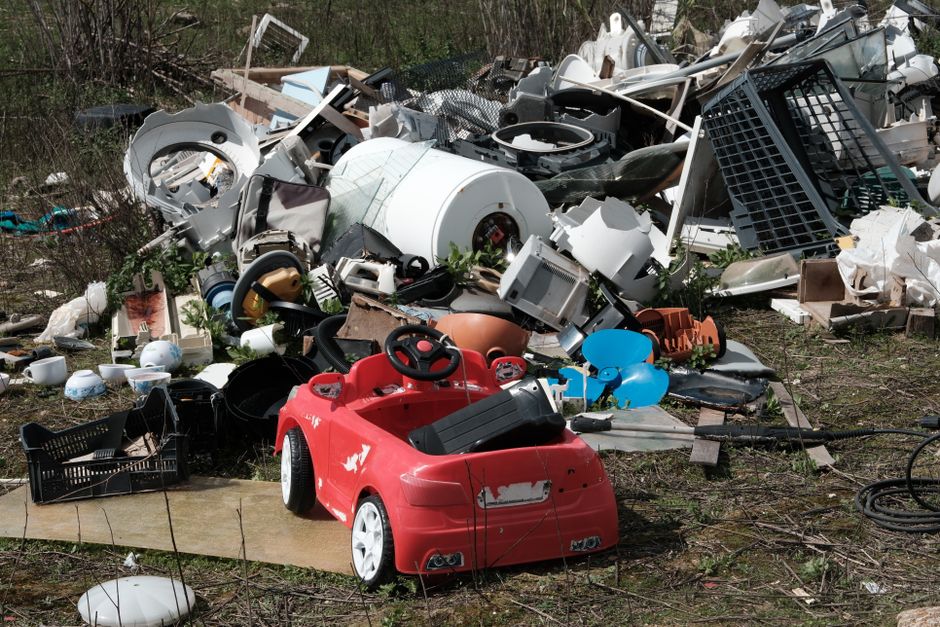
Guide to household rubbish disposal on Grand Drive, SW20
If you live on Grand Drive, SW20, rubbish disposal can feel deceptively simple right up until you have a pile of bags by the front door, a broken wardrobe in the hallway, and nowhere sensible to put the lot. This guide to household rubbish disposal on Grand Drive, SW20 is here to make the whole thing clearer, calmer, and a bit less of a chore. Whether you are clearing out after a move, dealing with an overflowing garage, or just trying to keep on top of weekly waste, the goal is the same: get rid of household rubbish safely, legally, and without unnecessary hassle.
Truth be told, most disposal problems are not dramatic. They are usually small things that add up: confusing what can go in the bin, leaving bulky items too long, or not knowing when a simple collection is enough and when a fuller clearance makes more sense. Let's walk through the practical side of it properly.
Quick takeaway: the best household rubbish disposal plan is usually the one that keeps your home clear, separates recyclables early, avoids unsafe dumping, and matches the amount of waste you actually have. Simple sounds boring. It works.
Table of Contents
- Why Guide to household rubbish disposal on Grand Drive, SW20 Matters
- How Guide to household rubbish disposal on Grand Drive, SW20 Works
- Key Benefits and Practical Advantages
- Who This Is For and When It Makes Sense
- Step-by-Step Guidance
- Expert Tips for Better Results
- Common Mistakes to Avoid
- Tools, Resources and Recommendations
- Law, Compliance, Standards, or Best Practice
- Options, Methods, or Comparison Table
- Case Study or Real-World Example
- Practical Checklist
- Conclusion
- Frequently Asked Questions
Why Guide to household rubbish disposal on Grand Drive, SW20 Matters
Household rubbish disposal matters because waste has a way of becoming a bigger issue than people expect. A couple of bin bags left in the wrong place can attract pests. A forgotten mattress in a hall can block access. Mixed waste can be rejected for recycling, which is annoying for you and wasteful for everyone else. On a busy residential road like Grand Drive, where homes, flats, side access, and parking pressures all mix together, getting disposal right makes everyday life easier.
There is also the simple fact that not all waste is equal. General rubbish, food waste, bulky items, garden cuttings, broken furniture, and renovation debris all behave differently. Some can go out with regular collections; some need special handling; some really should not be mixed at all. If you have ever stood in front of a pile of old stuff and thought, "Right, where on earth does this go?", you are in the right place.
Doing it properly helps in three ways. First, it keeps your home tidy and safer to move around. Second, it reduces the chance of fly-tipping or unsafe storage outside the property. Third, it gives you more control over time, cost, and stress. That last one matters more than people admit.
How Guide to household rubbish disposal on Grand Drive, SW20 Works
In practical terms, household rubbish disposal works by matching the type and amount of waste to the right removal method. For smaller amounts, that may mean using your normal household collection system and sorting materials carefully. For bigger clear-outs, it often means arranging a one-off waste removal service or a room-by-room clearance.
The basic workflow is usually straightforward:
- Separate reusable items from actual rubbish.
- Sort recyclables, general waste, and anything needing special attention.
- Decide whether the waste is light enough for standard collection or too bulky for easy handling.
- Choose the best disposal method based on urgency, volume, and access.
- Make sure items are placed safely and collected without causing obstruction.
That sounds very neat on paper. Real life is messier. Maybe the cupboard under the stairs has three half-used boxes of things, a cracked mirror, and a bag of old cables that nobody remembers. That is normal. The trick is not to treat all of it as one single problem.
If the waste is mostly household clutter, a service such as house clearance or home clearance is often more efficient than trying to chip away at it over several weekends. If what you are dealing with is mainly old sofas, beds, tables, or wardrobes, then furniture disposal or furniture clearance may fit better. Different waste, different approach. Simple, really.
Key Benefits and Practical Advantages
The biggest benefit is obvious: you get your space back. But there are several smaller advantages that matter just as much in day-to-day life.
- Less clutter, less stress: a clear hallway or spare room tends to make the whole home feel lighter.
- Safer movement around the property: fewer trip hazards, less blocking of stairways, and fewer awkward stacks of bags.
- Better sorting and recycling: separating items properly can reduce what ends up as general waste.
- More time saved: one well-planned clearance beats several half-finished trips to sort things out later.
- Cleaner kerbside presentation: important on a residential street where waste left out too early becomes untidy fast.
- Reduced chance of missed collections: correctly prepared waste is less likely to be left behind or refused.
There is also a mental benefit that people often forget. A cleared loft, garage, or spare room changes how a home feels. You notice it when you open the door and do not get that little internal sigh. That matters. Especially if the room has been "temporarily" full for six months. Or fourteen. No judgement.
Who This Is For and When It Makes Sense
This guide is useful for anyone on Grand Drive, SW20 who needs a practical way to deal with household rubbish, but it is especially relevant if you are in one of these situations:
- Moving home: you need to reduce the amount of stuff going into the new place.
- Decluttering: the house has become crowded with items that no longer have a place.
- After a family change: downsizing, bereavement, caring responsibilities, or a new living arrangement.
- End-of-tenancy or rental refresh: you want the property left tidy and presentable.
- Garage, loft, or shed clear-out: these spaces tend to collect "I'll deal with it later" items.
- Furniture replacement: the old item needs removing before the new one arrives.
- Regular household overflow: sometimes the weekly bin is not enough for a busy household.
It also makes sense when access is awkward. A narrow passage, a shared driveway, parked cars, or upstairs flats can all turn a straightforward task into a bit of a faff. If that sounds familiar, a structured clearance plan is usually better than improvising on the day.
For larger jobs, it can help to look beyond single-item disposal. Services such as flat clearance, loft clearance, or garage clearance are designed for exactly the kind of accumulated household waste that builds up quietly over time.
Step-by-Step Guidance
If you want to handle household rubbish disposal properly, the easiest way is to break it into steps. That keeps the job under control and avoids the last-minute panic where everything gets shoved into one pile and hope takes over. Not ideal.
1. Walk through the property and identify the waste
Go room by room. List what you actually have. Bin bags? Food waste? Broken chairs? Packaging? Old bedding? Mattresses? Paint tins? The more specific you are now, the easier the decision later.
2. Separate what can be reused or recycled
Not everything needs to be thrown away. Some items can be donated, reused, or recycled depending on condition and material. Even if you do not pass things on, sorting materials early helps reduce mixed waste. You will notice the difference when it comes time to load or collect everything.
3. Check for bulky, awkward, or heavy items
This is the point where many people underestimate the job. A wardrobe that looks manageable in a bedroom can be a headache at the front door. A broken washing machine is not the same as a few bin bags. If moving the waste safely would require two people, gloves, and a careful route out, treat it as a bulky disposal task rather than ordinary rubbish.
4. Decide on the disposal method
Ask yourself: do I need a few items removed, or a proper clearance? If you are dealing with a small amount of household rubbish, a simple collection may be enough. If the waste includes furniture, garden debris, or multiple rooms of clutter, a broader service may save time and effort.
5. Prepare access and separate the load
Before collection day, move items to a sensible pickup point if possible. Keep pathways clear. Put heavier items where they can be reached without awkward lifting. If there are stairs or tight corners, plan those in advance. That little bit of prep prevents the classic "we thought it would fit through there" moment.
6. Dispose of the waste in the right order
Handle easy items first, then bulky items, then anything requiring extra care. If there are electronics, metal, or reusable materials, keep them separate where possible. The result is cleaner, safer, and generally less chaotic.
7. Finish with a quick check
Look around once the rubbish is gone. Check cupboards, sheds, under sinks, and forgotten corners. People often find one more bag, one more broken lamp, or one more cable nest after the main job is done. It happens more often than you'd think.
Expert Tips for Better Results
A good disposal plan is not just about getting waste out of the house. It is about making the process smoother, safer, and less expensive in the long run.
- Sort before you stack: mixed piles create more work later and can push up handling time.
- Keep wet and dry waste apart: soggy cardboard and food waste can turn a tidy pile into a smellier problem very quickly.
- Use sturdy bags or containers: thin bags split at the worst moment, usually when you are halfway to the door.
- Watch for hidden hazards: broken glass, sharp metal, and old screws are easy to miss in cluttered spaces.
- Plan for access: clear hallways, note parking restrictions, and make sure gates or side entrances can actually be opened.
- Think about timing: early morning collections can be easier in quiet streets, but only if everything is ready the night before.
One practical tip that saves grief: keep a separate "not rubbish yet" box. Put in things you are unsure about for a day or two. If you still do not need them, then they probably are rubbish. If you do, you have not thrown away something useful in a rushed moment. Handy, that.
If your waste includes items from rooms with a lot of fabric, dust, or long-neglected corners, do a quick check for damage before lifting. A bit of mouldy cardboard or a leaking container can turn a routine job into a messy one. Gloves help. So does a torch. Especially in lofts, where everything somehow looks older.
Common Mistakes to Avoid
Most disposal mistakes are avoidable. The problem is they usually look minor right up until they become expensive, inconvenient, or awkward for neighbours.
- Leaving waste out too early: it can look untidy, attract attention, and create obstruction.
- Mixing everything together: that makes sorting harder and can reduce recycling opportunities.
- Underestimating weight: one heavy item can be more troublesome than several lighter bags.
- Forgetting access constraints: parked cars, steps, narrow paths, and shared entrances all matter.
- Ignoring sharp or hazardous pieces: broken items need careful handling, not a quick grab-and-go.
- Assuming all rubbish is the same: household waste, garden waste, and furniture are rarely treated the same way.
- Waiting until the pile grows: small jobs stay small if you deal with them early.
A very common one is the "I'll do it tomorrow" pile. It starts with one bag, then becomes three, then somehow a mini mountain in the corner of the dining room. Nobody plans that, of course. It just happens. Better to catch it early.
Tools, Resources and Recommendations
You do not need a lot of specialist gear, but a few practical tools make a big difference. The aim is not perfection; it is to make the job less clumsy and less risky.
- Heavy-duty sacks: useful for mixed general rubbish and heavier household waste.
- Gloves: basic protection for handling dusty, sharp, or awkward items.
- Moving bags or crates: better than overfilled carrier bags for books, textiles, and soft clutter.
- Labels or marker pens: handy if several people are helping and you need separate piles.
- Trolley or sack truck: useful for heavier items, though not always necessary.
- Tape and box cutters: for breaking down packaging, flat-packing cardboard, or securing loose items.
- Torch: surprisingly useful in lofts, cupboards, and garages where the light is never quite enough.
When you need a broader solution, look at services that match the type of waste you have. For example, waste removal is a sensible starting point for mixed household rubbish, while builders waste clearance is more appropriate after DIY or renovation work. If the clear-out has spread across rooms and you want a more thorough reset, house clearance is usually the better fit.
For anyone making a bigger decluttering decision, it also helps to understand how the company handles quoting, payment, and safety. Pages such as pricing and quotes, payment and security, and insurance and safety can give you a better sense of what to expect before you commit. That sort of clarity saves time later.
Law, Compliance, Standards, or Best Practice
When disposing of household rubbish, the safest approach is to follow local collection rules where you live, avoid leaving waste where it could obstruct pavements or roads, and make sure anything handed to a clearance service is managed responsibly. If an item is hazardous, sharp, contaminated, or unusual, it should be treated with extra care rather than treated like ordinary rubbish.
In the UK, best practice is to separate recyclable materials where possible, present waste in a way that is safe for handlers, and avoid fly-tipping or illegal dumping. That may sound obvious, but in the real world people sometimes assume that "someone else will sort it out." Better not to rely on that. You remain responsible for how waste leaves your property, even if someone else collects it.
For households on Grand Drive, the practical compliance question is usually less about complicated rules and more about common sense plus good preparation: do not block access, do not leave broken items exposed, and do not mix obviously unsuitable materials into ordinary household rubbish. If you are unsure about a specific item, it is safer to ask before it goes out than to find out after the fact that it should have been handled differently.
Companies that work carefully should also be able to explain their approach to safe handling and responsible disposal. That is one reason many people check a provider's health and safety policy and recycling and sustainability information before booking. It is not overthinking it. It is just sensible.
Options, Methods, or Comparison Table
There is no single right way to deal with household rubbish. The best option depends on what you have, how quickly you need it gone, and how much lifting or sorting you want to do yourself.
| Method | Best for | Pros | Watch out for |
|---|---|---|---|
| Normal household bin collection | Small amounts of everyday waste | Simple, familiar, low effort | Limited capacity; bulky items not suitable |
| Self-sorting and local drop-off | People with time and transport | Good control over materials and sorting | Requires loading, travel, and more time |
| One-off waste removal | Mixed rubbish, bags, and awkward items | Fast, flexible, less lifting for you | Needs clear access and good item description |
| Furniture or bulky-item disposal | Sofas, beds, tables, wardrobes | Better for heavy or awkward household items | May need dismantling or extra handling |
| Full room or property clearance | Lofts, garages, flats, whole homes | Most thorough, best for bigger jobs | More planning required, sometimes more sorting |
If you are unsure where your situation sits, ask yourself one simple question: am I disposing of a few leftovers, or clearing a real accumulation? That answer usually tells you whether a light-touch approach or a fuller clearance is the smarter move.
Case Study or Real-World Example
A typical Grand Drive scenario goes like this. A family has been living with a half-cleared garage for months. There are a few old chairs, paint tins they meant to check, broken storage boxes, a bicycle with a flat tyre, and several bags of general household clutter. Every time they open the garage door, they feel slightly defeated. Not dramatic, just annoying.
Instead of trying to tackle it in one tired Saturday afternoon, they sort the contents into four piles: keep, recycle, rubbish, and unsure. The unsure pile gets checked again after a short pause, which stops accidental disposal of useful items. The furniture and bulky bits are grouped separately, and the general rubbish is bagged safely. Once the access route is clear, the actual clearance is quick.
The real win is not just the empty garage. It is the fact that the space becomes usable again. A pram fits. Tools are reachable. The clutter stops whispering at them every time they walk past. Small thing, maybe. But in a busy household, small things matter.
This kind of job is also where broader services like garage clearance or home clearance earn their keep, because the problem is rarely one item. It is the accumulation.
Practical Checklist
Use this checklist before you arrange disposal or put anything out for collection.
- Have I sorted the waste into clear groups?
- Is anything reusable, recyclable, or donate-worthy?
- Have I identified bulky or heavy items separately?
- Are there any sharp, broken, or awkward pieces that need extra care?
- Is access to the waste clear for carrying or loading?
- Have I checked for items that should not be mixed with normal household rubbish?
- Are bags and containers strong enough for the contents?
- Do I know whether I need a simple pickup or a fuller clearance?
- Have I kept pathways, stairs, and exits unobstructed?
- Have I done one final sweep for stray items in cupboards, lofts, or behind furniture?
If you can tick most of those off, you are already ahead of the game. And if you cannot, that is fine too. It just means the job needs a bit more planning, not that it is impossible.
Conclusion
Household rubbish disposal on Grand Drive, SW20 becomes much easier once you stop treating it as one big mystery and start treating it as a series of small decisions. What is it? How much is there? Can it be reused or recycled? Do I need a standard collection or a larger clearance? Once those questions are answered, the rest is mostly organisation.
The best approach is usually the one that suits the home you actually live in, not the one you imagine on a perfect Sunday afternoon. Be practical. Be tidy. Keep it safe. And if the job feels bigger than a quick bin run, that is often your sign to choose a fuller clearance option rather than wrestling with it for weeks.
Get a free quote today and see how much you can save.
In the end, a clear home has a quiet kind of comfort to it. You feel it when the front room opens up, when the hallway is easy to walk through, when the clutter is gone and the house can breathe again.
Frequently Asked Questions
What counts as household rubbish on Grand Drive, SW20?
Household rubbish usually means everyday waste from the home, including bin bags, packaging, old household items, soft furnishings, and other non-hazardous clutter. If something is bulky, sharp, contaminated, or unusual, it may need a different disposal approach.
Can I put bulky items out with normal rubbish?
Not usually. Bulky items such as beds, wardrobes, sofas, and large appliances often need separate handling. The safest approach is to treat them as bulky waste or arrange a clearance service that can take them properly.
What should I do with old furniture?
If the furniture is still usable, consider reuse or donation first. If it is broken, stained, unsafe, or simply unwanted, furniture disposal or furniture clearance is usually the more practical route.
Is it better to sort rubbish before a clearance?
Yes, where possible. Sorting makes disposal quicker, helps separate recyclables, and reduces the chance of items being mixed together unnecessarily. Even a basic sort makes a big difference.
How do I know if I need a house clearance instead of a simple waste removal?
If the waste covers several rooms, includes a lot of furniture, or feels like a full property reset rather than a few bags, house clearance is probably the better fit. Waste removal is better for smaller, mixed loads.
Can household rubbish disposal include garage or loft contents?
Yes, though those spaces often contain a mix of general clutter, bulky items, and forgotten materials. Services such as garage clearance or loft clearance are often better suited to those jobs than a basic bin run.
What should I avoid mixing with general household rubbish?
You should be careful with items that are sharp, leaking, heavily soiled, or clearly unsuitable for normal waste. If you are unsure about a specific item, keep it separate and get advice before it goes out with the rest.
How can I make collection day easier?
Clear access routes, group similar items together, keep heavy items easy to reach, and make sure bags are strong enough. A little prep the day before usually saves a lot of stress on the day itself.
What if I have a mix of furniture and general rubbish?
That is common. A combined waste removal or house clearance can be more efficient than trying to manage everything separately. It avoids multiple trips and usually keeps the job moving more smoothly.
Are there safety issues with handling household rubbish myself?
There can be. Glass, sharp edges, heavy items, dust, and awkward lifting all create risk if the job is rushed. Gloves, proper lifting, and clear pathways help, but for larger jobs it is often safer to get help.
How do I choose a trustworthy clearance provider?
Look for clear pricing, sensible communication, and visible safety information. It also helps to check how the company talks about recycling, insurance, and handling different waste types. That tells you a lot, honestly.
Can rubbish disposal help if I am preparing to move house?
Absolutely. In fact, moving is one of the best times to clear household rubbish because it reduces packing, saves space, and stops you paying to move things you do not want anymore. It is one of those jobs that feels easier once you start, thankfully.