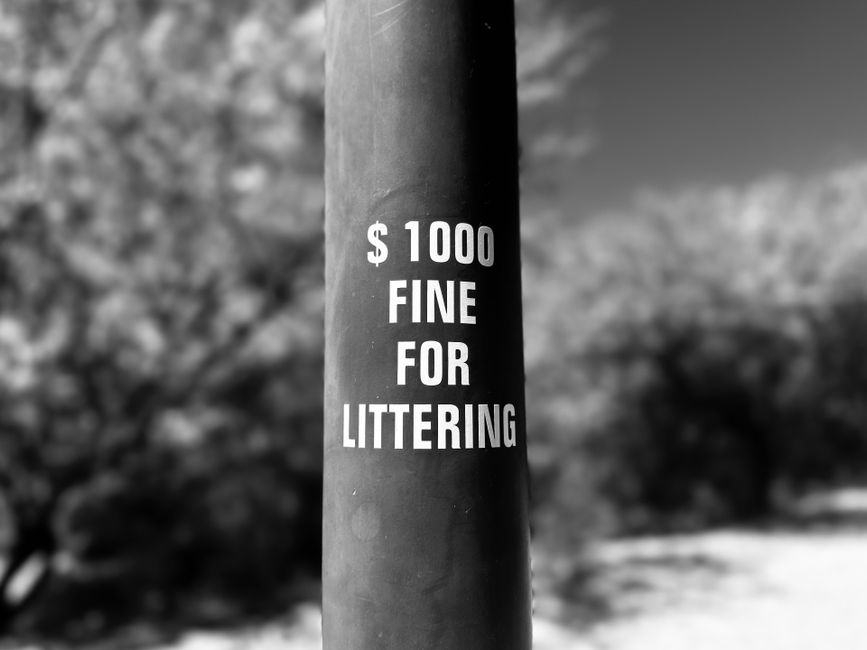
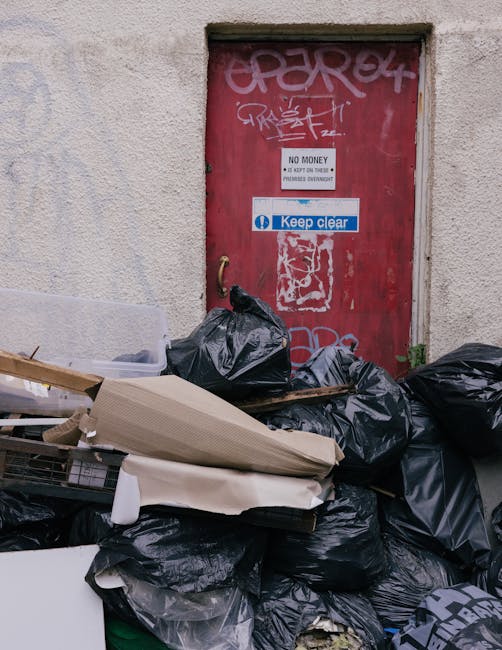
Fines for illegal dumping in Raynes Park and SW20: what residents and businesses should know
If you have been searching for clear, local guidance on Fines for illegal dumping in Raynes Park and SW20, you are probably dealing with one of two things: a mess that should never have been left there, or a worry that you may be responsible for it. Either way, it is frustrating. Fly-tipped rubbish near a kerb, a bag left beside a communal bin, builder's waste dumped in a lay-by, even a broken sofa abandoned after dark - it all creates a headache very quickly.
This guide explains how illegal dumping penalties generally work in the Raynes Park and SW20 area, why enforcement matters, what can trigger a fine, and how to avoid getting caught out. It also covers the practical side: what to do if you spot dumped waste, how to prove responsible disposal, and when it makes sense to use a professional clearance service rather than risk a costly mistake. Let's face it, nobody wants a simple waste job turning into an expensive one.
Table of Contents
- Why Fines for illegal dumping in Raynes Park and SW20 Matters
- How Fines for illegal dumping in Raynes Park and SW20 Works
- Key Benefits and Practical Advantages
- Who This Is For and When It Makes Sense
- Step-by-Step Guidance
- Expert Tips for Better Results
- Common Mistakes to Avoid
- Tools, Resources and Recommendations
- Law, Compliance, Standards, or Best Practice
- Options, Methods, or Comparison Table
- Case Study or Real-World Example
- Practical Checklist
- Conclusion
- Frequently Asked Questions
Why Fines for illegal dumping in Raynes Park and SW20 Matters
Illegal dumping is not just an eyesore. In a place like Raynes Park, where streets, front gardens, shared entrances, and parking bays can already feel tight, one dumped mattress or black sack pile changes the tone of the whole area. It attracts more rubbish. It can block access. It can smell, especially in warmer weather. And it can quickly become somebody else's problem if nobody acts.
For households and local businesses, the key issue is risk. If waste is left where it should not be, enforcement action can follow. That may mean a fixed penalty, a formal investigation, or further action if the matter is serious. The exact outcome depends on the circumstances, but the point is simple: waste should be handled properly from the start. Waiting and hoping it disappears is rarely a plan. It usually isn't, anyway.
There is also a fairness issue. People who pay for proper disposal should not be undermined by those who try to cut corners. That is why councils and environmental enforcement teams take fly-tipping seriously. The aim is not just punishment; it is deterrence, cleaner streets, and better habits across the community.
Practical takeaway: the safest route is to treat every waste job as something that needs a paper trail, a responsible carrier, and a clear destination for the rubbish. That sounds formal, but it saves headaches later.
How Fines for illegal dumping in Raynes Park and SW20 Works
Illegal dumping fines are usually issued when waste is deposited somewhere it should not be, or when a person cannot show that they handled their waste responsibly. In plain English, if rubbish ends up on a pavement, verge, alley, communal area, or another unauthorised location, enforcement officers may investigate who left it there.
In practice, this can happen in several ways:
- Fly-tipped waste is found in public or semi-public space. This includes bags, furniture, rubble, garden cuttings, or mixed junk left outside normal collection arrangements.
- A person or business is linked to the waste. Receipts, packaging, CCTV, witness accounts, or address details can all become relevant.
- Waste was handed to an unlicensed collector. This is a common problem. People think they have saved money, but the rubbish is dumped elsewhere and the original producer may still be implicated.
- Repeated or larger-scale incidents occur. These are taken more seriously than one-off mistakes.
Not every enforcement case ends the same way. Some are resolved with a fixed penalty notice. Others may involve interviews, evidence gathering, and a more detailed decision about responsibility. If the waste includes items linked to a property renovation, a house move, or a business clear-out, the trail is often easier to follow than people expect. A coffee-stained invoice in a box can be surprisingly unhelpful when it turns up in the wrong place.
And yes, "I didn't know" is not always enough. In waste law, reasonable care matters. If you arranged disposal, you were expected to check who you gave it to and where it was going.
Key Benefits and Practical Advantages
Understanding how illegal dumping fines work is useful for more than avoiding a penalty. It helps you make better waste decisions in everyday life. That is especially true in SW20, where flats, terraces, home offices, small shops, and renovation projects all create different disposal needs.
Here are the main advantages of getting it right:
- You reduce the chance of fines or enforcement action. A simple due-diligence habit can prevent expensive mistakes.
- You protect your reputation. This matters for landlords, local firms, contractors, and anyone working in shared spaces.
- You avoid repeat costs. Paying twice for removal because the first collector vanished is a bitter pill.
- You keep local spaces cleaner and safer. Proper disposal stops waste building up on streets or around bin stores.
- You can plan disposal more efficiently. Once you know what counts as responsible handling, the whole job becomes less stressful.
There is also a quiet benefit that people sometimes overlook: peace of mind. When waste is removed properly, you are not checking the corner every morning wondering if someone will complain. That alone is worth something.
Who This Is For and When It Makes Sense
This topic matters to a surprisingly wide group of people. If you live or work in Raynes Park or the wider SW20 postcode, you may need this information if any of the following sound familiar:
- You are clearing out a flat, house, loft, garage, or garden.
- You are a landlord dealing with items left behind after a tenancy.
- You run a small office, shop, or local trade business.
- You are managing builder's waste after a renovation or repair.
- You want to avoid using a cheap collector who may not dispose of waste legally.
- You have found dumped rubbish near your property and need to know what to do next.
It is also relevant if you are unsure whether a specific item counts as household rubbish, bulky waste, or controlled waste. The difference matters. A few chairs are one thing; a load of plasterboard, broken tiles, or office equipment is another.
If you are in the middle of a property change, a move, or an office reset, this is exactly the point where mistakes happen. People rush. The skip is too small. The back gate is awkward. Time is short. That is when shortcuts start looking tempting, and that is usually where fines begin.
Step-by-Step Guidance
If you want to stay on the right side of waste rules in Raynes Park and SW20, the process is not complicated. It just needs a little discipline.
- Identify the waste clearly. Separate household items, garden waste, bulky furniture, builder's materials, and anything hazardous or specialist.
- Check what should not be left outside. Shared pavements, entrances, and public kerbs are not temporary storage areas. That is where problems begin.
- Choose a responsible disposal method. This may be council collection, a skip, or a professional clearance service depending on the job.
- Keep proof. Save receipts, job confirmations, and any details about the person or company removing the waste.
- Confirm where the waste is going. Responsible operators should be able to explain disposal and recycling practices in plain English.
- Do not pay in cash and forget about it. That old "mate of a mate with a van" approach is exactly where problems happen.
- If you spot dumped rubbish, report it promptly. Delays make evidence harder to find and can allow the mess to spread.
For bigger clear-outs, it often makes sense to use a company with a clear process for sorting and removal. Services such as waste removal or recycling and sustainability information can help you understand how materials are managed after collection.
If your waste includes furniture, appliances, or mixed household items, a dedicated service such as furniture disposal or house clearance may be the more sensible route. Different jobs need different handling. Sounds obvious, but people still muddle it up all the time.
Expert Tips for Better Results
From a practical point of view, the best way to avoid illegal dumping issues is to reduce uncertainty. Most trouble starts when nobody is quite sure who took what, when, or where it went.
- Ask for written confirmation. Even a basic email is better than nothing.
- Photograph the waste before collection. This is especially useful for landlords, trades, and businesses.
- Keep a simple inventory. One list can save a lot of back-and-forth later.
- Use reputable clearance options for larger loads. If you are dealing with bulky items, check services like garage clearance, loft clearance, or garden clearance where appropriate.
- Don't mix waste streams unless you have to. Mixed loads are harder to sort and easier to mishandle.
A small but useful habit: before a clearance day, walk the space once and ask yourself, "Would I be happy explaining this pile to someone later?" It sounds a bit silly. It isn't, really.
For business users, it is worth reviewing internal procedures too. If staff can arrange waste removal, make sure they know who is approved and what records must be kept. A simple process beats a tidy apology after the fact.
Common Mistakes to Avoid
Illegal dumping penalties often come down to basic errors rather than deliberate wrongdoing. The most common ones are fairly predictable:
- Leaving bags by a full bin or communal area. Even if you think collection is due soon, it can still count as unauthorised disposal.
- Hiring the cheapest possible collector without checking credentials. Cheap can become very expensive.
- Assuming someone else will sort it out. Responsibility is not always transferred just because you paid somebody.
- Dumping items after a move or refurb "just for the night." That temporary idea often becomes a formal complaint.
- Not understanding the difference between trade waste and household waste. Builder's rubble, office furniture, and commercial refuse are handled differently.
One slightly awkward truth: many people only look into proper disposal after something has gone wrong. By then the clean-up is harder, the tone is worse, and the cost is usually higher. Best not to leave it to chance.
Tools, Resources and Recommendations
You do not need fancy tools to handle waste responsibly, but a few simple resources can make life easier.
- A phone camera for documenting items before collection or after dumping is discovered.
- A notes app or checklist to record item types, dates, and who collected them.
- Basic labels or tape for separating different waste piles in a home, office, or garden.
- A clear booking confirmation from the waste carrier or clearance provider.
On the service side, the most relevant options depend on the source of the waste. A business might need business waste removal or office clearance. A homeowner clearing a whole property may need home clearance or flat clearance. If the load includes bulky items or tired old chairs, furniture clearance can be a better fit than trying to manage it piece by piece.
And if you are trying to understand the company behind the service before booking, it is sensible to review about the company, pricing and quotes, and insurance and safety. That is just good sense, not overthinking it.
Law, Compliance, Standards, or Best Practice
This is the part where people often want a neat number, a neat rule, and a neat answer. Real life is a bit messier. In the UK, illegal dumping is generally treated seriously under environmental and waste-control rules, and local enforcement authorities may issue penalties based on the circumstances. The exact amount and process can vary, so it is best not to assume a single universal fine for every case in Raynes Park or SW20.
What does matter is the principle of reasonable care. If you produce waste, arrange its removal, or hand it to someone else, you are expected to take sensible steps to make sure it is handled lawfully. Best practice usually means:
- choosing a responsible collector or licensed operator where appropriate,
- keeping records of the transfer or collection,
- checking that waste is not simply being shifted to a street corner somewhere else,
- separating recyclable materials where practical,
- avoiding informal disposal arrangements that cannot be verified later.
For builders and renovators, the same logic applies to construction debris. Materials from strip-outs, refurbishments, and repairs should be managed carefully, which is why a service like builders waste clearance can be a straightforward option when the site is generating mixed rubble and packaging. It keeps the paperwork cleaner too, which is no bad thing.
If you are unsure, the safest standard is simple: be able to explain who removed the waste, when, and where it went. If you cannot do that, you probably need better controls.
Options, Methods, or Comparison Table
There is more than one way to deal with waste in Raynes Park and SW20, but not every method suits every job. Here is a practical comparison.
| Option | Best for | Strengths | Watch-outs |
|---|---|---|---|
| Council collection | Smaller domestic items and scheduled collections | Simple and familiar | May not suit bulky or urgent jobs |
| Skip hire | Ongoing projects, renovations, heavier loads | Good for volume and convenience | Requires space and correct loading |
| Professional clearance service | House, flat, office, garage, loft, or mixed waste | Flexible, fast, less lifting for you | Choose carefully and keep records |
| Informal disposal | Nothing, really | Looks cheap at first | High risk of fines, dumping, and trouble later |
Truth be told, the last option is the one people regret. Every single time, it seems. A proper clearance route usually costs less than the stress of dealing with enforcement follow-up or a neighbour's complaint.
Case Study or Real-World Example
Here is a realistic scenario from the kind of work people in SW20 often face.
A small landlord finishes a tenancy in a Raynes Park flat and finds a mix of broken shelving, an old mattress, bags of clothing, and a pile of miscellaneous rubbish left behind. The temptation is to ask a quick local collector to "just take it away" without much paperwork, because the property needs to be turned around fast. But the landlord pauses, checks what is being removed, keeps a record of the items, and books a proper clearance instead.
That extra bit of care makes all the difference. The rubbish is removed in one visit, the flat is left tidy, and there is clear proof of what happened. No awkward surprises later. No wondering whether the bags ended up in somebody else's alley. No late-night worry when an envelope arrives with a complaint attached.
Now compare that with the alternative: waste dumped in a quiet side street, a neighbour notices, photos are taken, and a trail starts building. Even if the original person meant well, they may still need to explain themselves. The difference between those two outcomes is mostly process. Not luck. Process.
Practical Checklist
Use this checklist before arranging disposal or when responding to suspected illegal dumping:
- Have I identified the waste type correctly?
- Have I avoided leaving anything on a public pavement or shared area?
- Do I know who is collecting the waste?
- Do I have written confirmation or a receipt?
- Have I separated furniture, garden waste, builder's debris, and business waste where sensible?
- Can I explain where the waste is going?
- Have I kept photos or notes for my records?
- If I found dumped rubbish, have I reported it promptly?
- Have I chosen a clearance option that fits the volume and type of waste?
- Would I be comfortable defending this disposal decision later if asked?
That last one is the honest test. If the answer is no, pause and fix the process before the rubbish moves.
Get a free quote today and see how much you can save.
Conclusion
Fines for illegal dumping in Raynes Park and SW20 are not something to treat casually. The risk is real, the inconvenience is real, and the knock-on effects can be a lot bigger than a single abandoned bag or a badly handled clear-out. What protects you is not luck or a quick excuse. It is careful disposal, sensible records, and choosing the right route for the job.
If you are a homeowner, landlord, contractor, or business owner, the safest approach is straightforward: plan the removal, keep proof, and avoid any arrangement that feels vague or untraceable. That alone prevents a surprising amount of trouble. And if you are currently staring at a pile of waste and thinking, "Right, what now?", that is usually the moment to slow down and do it properly.
Clean streets, tidy properties, fewer headaches. Simple as that.
Frequently Asked Questions
What counts as illegal dumping in Raynes Park and SW20?
Illegal dumping generally means leaving waste somewhere it is not authorised to go, such as a pavement, verge, alleyway, shared bin area, or another public or semi-public space. It can include bags, furniture, building debris, garden waste, and mixed junk.
Can I be fined if I paid someone else to take my rubbish?
Yes, potentially. If you handed waste to someone who then dumped it illegally, enforcement may still look at whether you took reasonable care before giving it away. That is why receipts and proper checks matter.
How do I avoid a fine for waste disposal?
Use a responsible disposal method, keep proof of collection, avoid untraceable cash arrangements, and make sure the waste is not left in a public place. If you are unsure, book a proper clearance service and keep the paperwork.
What should I do if I find dumped rubbish near my property?
Take photos if it is safe to do so, note the location and time, and report it to the appropriate local authority or land manager. Do not move hazardous waste yourself unless it is safe and appropriate.
Are illegal dumping fines the same for households and businesses?
Not always. The circumstances matter, and business waste may be treated differently because of the duty to manage commercial refuse properly. Businesses should keep stronger records and use appropriate waste arrangements.
Does fly-tipping include leaving bags beside a full bin?
It can. Leaving rubbish beside a bin or in a communal area can still count as unauthorised disposal, especially if it blocks access or is left outside collection rules.
What records should I keep after a waste collection?
Keep the date, the type of waste, the name of the collector or company, payment confirmation, and any notes or photos showing what was removed. A short record is often enough, but keep it somewhere you can find later.
Is garden waste treated the same as furniture or builder's debris?
Not exactly. Different materials may need different handling, especially if the load includes soil, timber, rubble, or mixed household items. If in doubt, separate it before collection or ask for guidance.
What if the person who dumped waste used my address by mistake or without permission?
You should explain the situation clearly and provide any evidence you have. If you were not responsible, details such as CCTV, booking records, or witness notes may help. The important thing is to respond promptly.
When is a professional clearance service better than doing it myself?
It is often better when the load is bulky, mixed, time-sensitive, or likely to create access problems. It is also a better option when you want a proper record of disposal and less risk of the waste ending up somewhere it should not.
Can a landlord be held responsible for dumped items left by a tenant?
Sometimes a landlord may need to deal with the aftermath, especially for property management reasons, but responsibility depends on the facts. Keeping tenancy records and arranging proper clearance quickly is usually the safest course.
What is the smartest first step if I am worried about illegal dumping penalties?
Check where the waste is currently located, stop any informal disposal plan, and make sure the collection route is traceable. If you already have waste ready to go, use a proper service and keep proof. That small pause can save a lot of money and hassle.