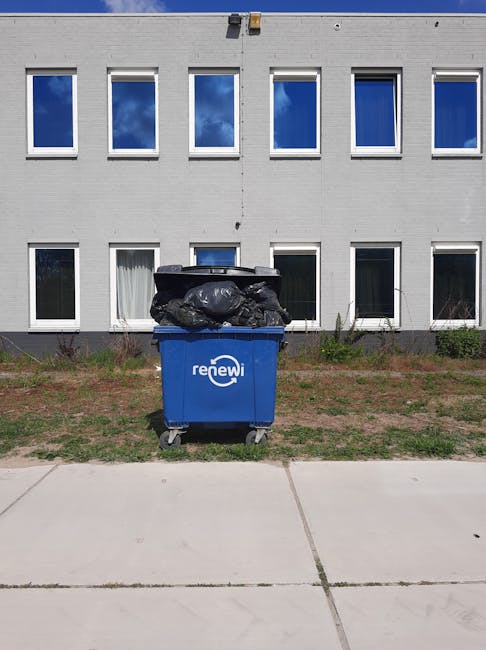
Commercial Waste Solutions for Raynes Park Shops & Offices
Running a shop or office in Raynes Park means dealing with waste every day, and not just the obvious stuff. There are boxes stacked behind the till, broken furniture waiting in a corner, old IT equipment in a cupboard, packaging that seems to multiply overnight, and the occasional "we'll sort that later" pile that never quite disappears. Commercial waste solutions for Raynes Park shops & offices are about taking control of all of that in a way that is tidy, compliant, and genuinely manageable.
Done well, waste removal does more than clear floor space. It helps staff move safely, keeps your business looking sharp, supports recycling, and reduces the hassle of storage and disposal. It also saves time, which, to be fair, is often the thing local businesses need most. In this guide, you'll find a clear breakdown of how commercial waste works, who it suits, what to avoid, and how to choose a practical approach for a busy Raynes Park premises.
If you need a broader service overview while reading, you may also find business waste removal and waste removal useful for understanding the options available.
Why commercial waste solutions for Raynes Park shops & offices matters
Let's start with the simple truth: commercial waste is rarely "just rubbish". In a shop, it can include packaging, damaged stock, display materials, old shelving, plastic wrap, cardboard, and occasional bulky items. In an office, it may involve desks, chairs, filing cabinets, printers, cables, confidential paperwork, and the odd plant that has somehow survived three winter radiators. Each of those items has a different disposal route in practice, and some carry more risk than others.
For Raynes Park businesses, the biggest issue is usually not volume alone. It is the mix of waste types and the pressure to keep the premises presentable. A cluttered stockroom, a cramped back office, or a corridor used for overflow storage can quickly become a safety and efficiency problem. Customers notice it too, even if they do not say anything. Staff certainly notice. A cleaner, better-managed workspace feels calmer, and calmer workplaces tend to work better. Funny how that happens.
There is also the local-business angle. Shops and offices in a busy London area often need waste cleared quickly and without fuss, because access, parking, and operating hours can all be tight. If waste is allowed to build up, it becomes harder to remove, more expensive to sort, and more awkward to handle. In practice, that means a reactive approach costs more than a planned one. Not always dramatically more, but enough to matter over time.
For businesses that want a broader understanding of disposal and sorting options, the site's recycling and sustainability page is also worth a look, especially if you want your waste handling to be more responsible rather than simply convenient.
Expert takeaway: the best commercial waste plan is the one that reduces clutter, avoids disruption, and fits the real rhythm of your business, not an idealised version of it.
How commercial waste solutions for Raynes Park shops & offices works
Commercial waste solutions usually start with a straightforward assessment of what needs removing, how much there is, and how urgently it needs to go. That sounds obvious, but it is the bit many businesses skip. One small office clearance and one full retail backroom clearance are both "waste removal", yet they are very different jobs in practice.
Most collections follow a fairly simple pattern:
- Identify the waste types. Separate general waste, recyclable materials, furniture, electrical items, packaging, and anything sensitive or hazardous.
- Estimate the volume. You do not need an exact science experiment. A rough idea of bags, boxes, or bulky items usually helps.
- Choose the right removal method. Some jobs suit one-off clearances; others are better handled on a recurring basis.
- Prepare the site. Make sure access routes are clear, items are grouped sensibly, and any restrictions are flagged in advance.
- Collect, sort, and dispose. Waste is removed and taken to the appropriate processing route, with recyclables separated where possible.
In an office setting, the process can include careful handling of desks, monitors, confidential files, or storage units. In a shop, it may involve stockroom clear-outs, seasonal resets, or removing old display fixtures after a refit. If you are dealing with furniture, the linked pages on furniture clearance and furniture disposal can help explain how bulky items are handled sensibly.
Some businesses also pair commercial waste work with a more general clearance. For example, a retailer refurbishing its premises might need office clearance for the admin area and builders waste clearance for the debris left after fit-out work. That is often more efficient than trying to manage each stream separately.
Key benefits and practical advantages
The best commercial waste service should make life easier, not add another layer of admin. That is the standard, really. When the solution is a good fit, a business tends to feel the benefits quite quickly.
- Better use of space. Back rooms, corridors, storage cupboards, and office corners become usable again.
- Safer working conditions. Clear walkways reduce trip hazards and awkward lifting risks.
- Cleaner customer-facing areas. Shops look more professional when waste is not visible from the front.
- Less time spent managing rubbish. Staff can focus on actual work instead of moving bags around.
- Improved recycling potential. Separating materials properly makes it easier to divert suitable items from general waste.
- More predictable operations. Planned collections are easier to slot into opening hours, deliveries, and stock cycles.
There is another benefit that gets overlooked: peace of mind. Business owners often carry enough in their heads already. If you know old furniture, packaging, or general waste will be dealt with on schedule, you stop mentally carrying it around too. That matters more than people admit.
For many premises, the commercial waste process also supports a better customer experience. A clutter-free shop floor feels more welcoming. A tidy office feels more organised. Even during a busy patch, the place still feels under control. Not glamorous, but valuable.
Who this is for and when it makes sense
This kind of service is useful for a wide range of Raynes Park businesses, but it is especially relevant if your premises generate mixed waste or bulky items. That includes independent shops, offices, shared workspaces, small studios, estate-style retail units, and professional practices that occasionally need a major clear-out.
It usually makes sense when one or more of these apply:
- storage is getting tight and waste is taking over useful space
- you are replacing furniture, fittings, or office equipment
- you are reopening after refurbishment or a seasonal refresh
- your team is spending too much time dealing with rubbish
- you need a quick tidy-up before inspections, viewings, or client visits
- you want a more sustainable approach to disposal
A small shop might only need occasional collections, especially after stock changes or packaging build-up. A busier office may need a more regular rhythm. And if you are doing a fit-out or rearrangement, you may need a one-off clearance that includes bulky waste, packaging, and maybe a few surprise items from the back room that nobody has touched since 2019. We all know how that goes.
It can also be a sensible option if your business is moving premises. In that case, waste removal and office clearance often overlap, because the move itself tends to expose every forgotten chair, broken screen, and half-empty archive box in the building.
Step-by-step guidance
If you want the process to run smoothly, a bit of preparation goes a long way. Here is a practical way to handle it without overcomplicating things.
- Walk the site first. Check stockrooms, office corners, under desks, storage cupboards, and any areas where waste tends to accumulate.
- Sort by type. Keep cardboard, general waste, furniture, electrical items, and confidential materials separate where possible.
- Flag awkward items early. Heavy cabinets, glass, tangled wires, or items stored upstairs can change the plan.
- Check access. Measure doorways, think about lift use, parking, and the route from the waste area to the vehicle.
- Choose the right timing. Aim for quieter trading hours or a window when staff movement is lower.
- Confirm what should stay. This sounds basic, but it prevents expensive mistakes. One wrong bin bag, one wrong shelf unit, and suddenly everyone is annoyed.
- Ask about recycling routes. If you care about sustainability, ask how materials will be handled before collection.
A useful habit is to make waste decisions before an area gets full. An early collection is nearly always easier than an emergency one. That is especially true for shops with limited storage or offices where staff are already working around boxes and old equipment.
If your project includes restoring a work area or getting rid of unwanted items from multiple spaces, the wider waste removal service can be a practical umbrella for the job.
Expert tips for better results
After a while, you start to notice the small habits that make commercial waste work better. Nothing dramatic. Just the bits that save time and stress.
- Set a waste point in advance. If staff know where items go, they are less likely to create little piles everywhere.
- Label bulky items. A quick note saying "remove", "keep", or "recycle" can prevent confusion on the day.
- Separate furniture from general rubbish. It speeds up handling and often makes disposal more efficient.
- Plan around deliveries and peak trading. If your shop gets busy at lunch, do not schedule a collection then if you can help it.
- Keep a running list of waste problems. One broken chair is not urgent. Eight broken chairs is a pattern.
- Think about the next six months. If you know you are refitting, expanding, or downsizing, plan ahead rather than waiting for the mess to peak.
A small but useful tip: take photos of the waste area before the collection. It helps you confirm what needs going and, if you manage multiple staff or multiple sites, it reduces the "I thought that was staying" conversations later. Those conversations can be a bit too lively, to be honest.
Another practical point is to keep confidential paperwork out of the general waste stream. If documents need secure handling, they should be separated and managed appropriately. No one wants sensitive files ending up in the wrong place, even by accident.
Common mistakes to avoid
Most waste headaches come from a small number of avoidable mistakes. The frustrating thing is that they are usually easy to prevent once you know what to look for.
- Leaving waste until it becomes a blockage. A pile that fits in one corner today may stop a trolley or delivery route tomorrow.
- Mixing everything together. Mixed waste is harder to handle and often less efficient to process.
- Forgetting about access. A van may be booked, but if the route is blocked or parking is impossible, the job slows down fast.
- Assuming furniture can go out with general rubbish. Bulky items often need separate handling.
- Ignoring hazardous or sensitive materials. These need extra care and should never be treated casually.
- Not checking what staff have stored away. Back rooms have a way of hiding surprises.
One common problem in offices is old IT equipment. People stick it in a cupboard and forget it. Then, six months later, there are five monitors, a printer, some cables, and a wireless mouse that nobody can identify. It happens more often than you would think. A tidy sweep before collection usually solves it.
Another mistake is focusing only on speed. Fast is good, yes, but the collection also needs to be done properly. If you are not sure whether something belongs in a general clearance or needs a more specific disposal route, ask before the day arrives.
Tools, resources and recommendations
You do not need a complex system to manage commercial waste well. A few simple tools usually do the job.
- Basic inventory list. A shared note or spreadsheet can track items waiting for removal.
- Colour-coded labels. Handy for separating furniture, cardboard, general waste, and items to keep.
- Photo records. Useful for busy premises, multi-room offices, and refurb projects.
- Access checklist. A short list covering stairs, lifts, parking, entry codes, and loading areas.
- Collection calendar. Even if it is only rough, a recurring reminder helps keep waste from creeping back.
When choosing a provider, look for one that is clear about how items are handled, what can be collected, and how the service fits around your premises. The pages on pricing and quotes, insurance and safety, and health and safety policy are helpful if you want reassurance before booking anything.
It also helps to know who you are dealing with. Reading the about us page can give you a better feel for the company's approach, which is often more important than people realise. Waste removal is practical work, yes, but trust still matters.
Law, compliance, standards and best practice
Commercial waste in the UK should be handled carefully and in line with accepted business duties. You do not need to become a compliance expert overnight, but you do need to take reasonable steps. That usually means using a lawful, traceable disposal route, keeping waste out of the wrong stream, and making sure materials are not just dumped because it is convenient.
For shops and offices, good practice generally includes the following:
- keeping business waste separate from household waste
- making sure waste is transferred and handled responsibly
- sorting recyclables where practical
- treating electrical items, confidential materials, and bulky goods carefully
- keeping your premises safe and accessible while waste is waiting to be removed
If you are managing a refit, maintenance work, or an office reconfiguration, health and safety becomes especially relevant. Loose packaging, stacked chairs, broken items, and cable clutter all increase the chance of trips and awkward handling. Simple, obvious things. But they matter.
Best practice is often about documentation and clarity rather than paperwork for its own sake. Know what is being removed, why it is being removed, and where it is going next. That makes internal checks easier, and it protects your business if questions come up later. If you also care about responsible disposal, the recycling and sustainability page gives a useful sense of the broader approach.
One more sensible point: if an item is awkward, heavy, sharp, or potentially contaminated, do not just push ahead because you are in a rush. That is usually when accidents happen. Better to pause for two minutes than deal with a problem for two weeks.
Options and comparison table
Different businesses need different approaches. A small office with a few surplus desks has very different needs from a shop clearing stockroom waste every month. Here is a simple comparison to help you decide what fits best.
| Option | Best for | Strengths | Trade-offs |
|---|---|---|---|
| One-off commercial clearance | Refits, moves, seasonal resets, sudden build-up | Quick, efficient, minimal ongoing admin | Not ideal for regular waste streams |
| Regular business waste removal | Busy shops and offices with ongoing waste output | Predictable, tidy, easy to manage | Needs a bit more planning and scheduling |
| Mixed waste and bulky item clearance | Furniture, packaging, office equipment, back-room clutter | Good for awkward clear-outs and one-off projects | Requires clearer sorting in advance |
| Project-based waste support | Fit-outs, refurbishments, relocations | Fits around short-term pressure points | Needs good timing and site access |
If you are unsure which one fits your situation, ask yourself a simple question: is your waste routine, or is it event-driven? A steady stream of cardboard and general rubbish usually points toward regular collection. A big office clear-out or retail refurbishment usually points toward a one-off project. Sometimes the answer is both, which is annoying but normal.
Case study or real-world example
A Raynes Park office team recently found itself in a familiar mess: old desks had been moved into a spare room, archives were stacking up, and a broken printer had been sitting by the window for months. Nothing was urgent, which is exactly why it all quietly became a problem. Staff had to step around boxes every day, and the room stopped being useful for meetings or storage.
The business took a simple approach. First, they walked through the space and separated what was staying from what needed to go. Then they grouped furniture together, boxed up loose cables, and cleared an access route from the office to the loading point. They also checked for any items that needed special handling rather than dumping everything into one pile. Nothing fancy.
On the day, the space was cleared in one visit, and the room was usable again almost immediately. The bigger benefit came later. Because the team had seen how quickly clutter could build up, they started keeping a monthly review of storage areas. Not glamorous, I know, but it worked. The difference was obvious within weeks: fewer obstacles, less stress, and a much more orderly back office.
That is really the point. A good commercial waste solution does not just fix a mess; it prevents the same mess from returning straight away.
Practical checklist
Use this checklist before arranging commercial waste removal for your Raynes Park shop or office.
- Have you identified all waste types, including bulky items?
- Have you separated furniture, cardboard, general waste, and anything sensitive?
- Is access clear for removal, including doors, stairs, lifts, and parking?
- Have you chosen a time that will not disrupt customers or staff too much?
- Do you know what should stay and what should go?
- Are any items awkward, heavy, fragile, or requiring special handling?
- Have you thought about recycling where possible?
- Do staff know where to place items before collection?
- Have you checked whether a one-off or recurring service makes more sense?
- Have you confirmed the service details and price clearly before booking?
If you can tick most of those off, you are in good shape. If not, no problem. A little prep now usually saves a lot of hassle later.
Conclusion
Commercial waste solutions for Raynes Park shops & offices are really about making your business easier to run. They help keep spaces safer, tidier, and more professional while reducing the strain on your team. Whether you are clearing old furniture, managing packaging, or dealing with a one-off office or shop clean-up, the right approach will fit your workflow instead of fighting it.
The best results usually come from a few simple habits: sort waste early, plan access properly, avoid mixing everything together, and choose a service that understands the pace of real business premises. Nothing too clever. Just practical, sensible, and consistent. That tends to win, most days.
Get a free quote today and see how much you can save.
If you want to explore the company behind the service, the contact us page is the natural next step. And if you are still comparing options, it may also help to review terms and conditions so everything is clear before you book.
Frequently Asked Questions
What counts as commercial waste in a shop or office?
Commercial waste includes any rubbish generated by a business, such as packaging, cardboard, old furniture, broken fittings, stockroom waste, office equipment, and general refuse. In practice, it is anything your business produces that needs lawful disposal.
How do I know whether I need a one-off clearance or regular waste removal?
If your waste builds up in bursts, such as after a refit or relocation, a one-off clearance usually makes sense. If your shop or office produces waste continuously, regular waste removal is often better. Many businesses use both at different times.
Can you clear bulky office furniture as part of commercial waste removal?
Yes, bulky items like desks, chairs, cabinets, and shelving are often part of the job. It helps to separate them in advance so they can be handled efficiently and safely.
What should I do with old computers, printers, and cables?
These should be kept separate from general waste where possible. Electronic items need more careful handling than standard rubbish, and the collection plan should reflect that from the start.
How can I make waste collection easier for the team?
Set a clear waste point, label items that need removing, and make sure staff know what stays and what goes. A simple system is usually enough. Overcomplicating it tends to create more problems than it solves.
Is commercial waste removal suitable for small independent shops?
Absolutely. Small shops often benefit a lot because space is tight and storage is limited. Even occasional clear-outs can make a big difference to day-to-day working conditions.
What if I need waste removed during trading hours?
That can often be arranged, but it is better to choose a quieter window if possible. The smoother the access, the less disruption to staff and customers.
How do I keep waste handling more sustainable?
Separate recyclables where practical, avoid mixing furniture with general rubbish, and ask how different waste types will be processed. A little sorting on your side usually improves the outcome.
Do I need to prepare the site before collection?
Yes, a bit of preparation helps a lot. Clear access routes, group items together, and make sure staff know what is going. That small bit of effort often makes the removal much quicker.
Can commercial waste solutions help during an office move?
Yes, and often they are especially useful during a move. Office relocations tend to uncover unwanted furniture, old files, broken equipment, and random storage items that need dealing with fast.
What should I ask before booking a waste removal service?
Ask what items can be collected, how bulky waste is handled, what the timing will look like, and how pricing is structured. It is also sensible to check insurance, safety, and recycling approach so there are no surprises later.
Why is it worth choosing a local Raynes Park provider?
A local team is often better placed to understand access issues, busy streets, and the practical realities of working around local businesses. That local knowledge can make the job smoother, which is worth a lot when you are trying to keep a business running.